 Native
AI for Competitive Analysis
Competitive analysis is a ubiquitous challenge. This modern, algorithm-driven form of competitive scrutiny utilizes advanced machine learning techniques to produce accurate, data-supported insights. Impressively agile, AI competitive analysis tools are reshaping the way that businesses assess their marketplace rivals and make strategic decisions.
As it relates to the broader landscape of competitive analysis in marketing and product development, the use of AI systems offers considerable advantages. Traditional methods can be time-consuming and error-prone. In contrast, AI provides faster, more accurate results, allowing businesses to identify patterns and trends with unparalleled precision. This newfound clarity can speed up the decision-making process, and ultimately lead to improved efficiency and profitability.
Competitive Analysis Chart
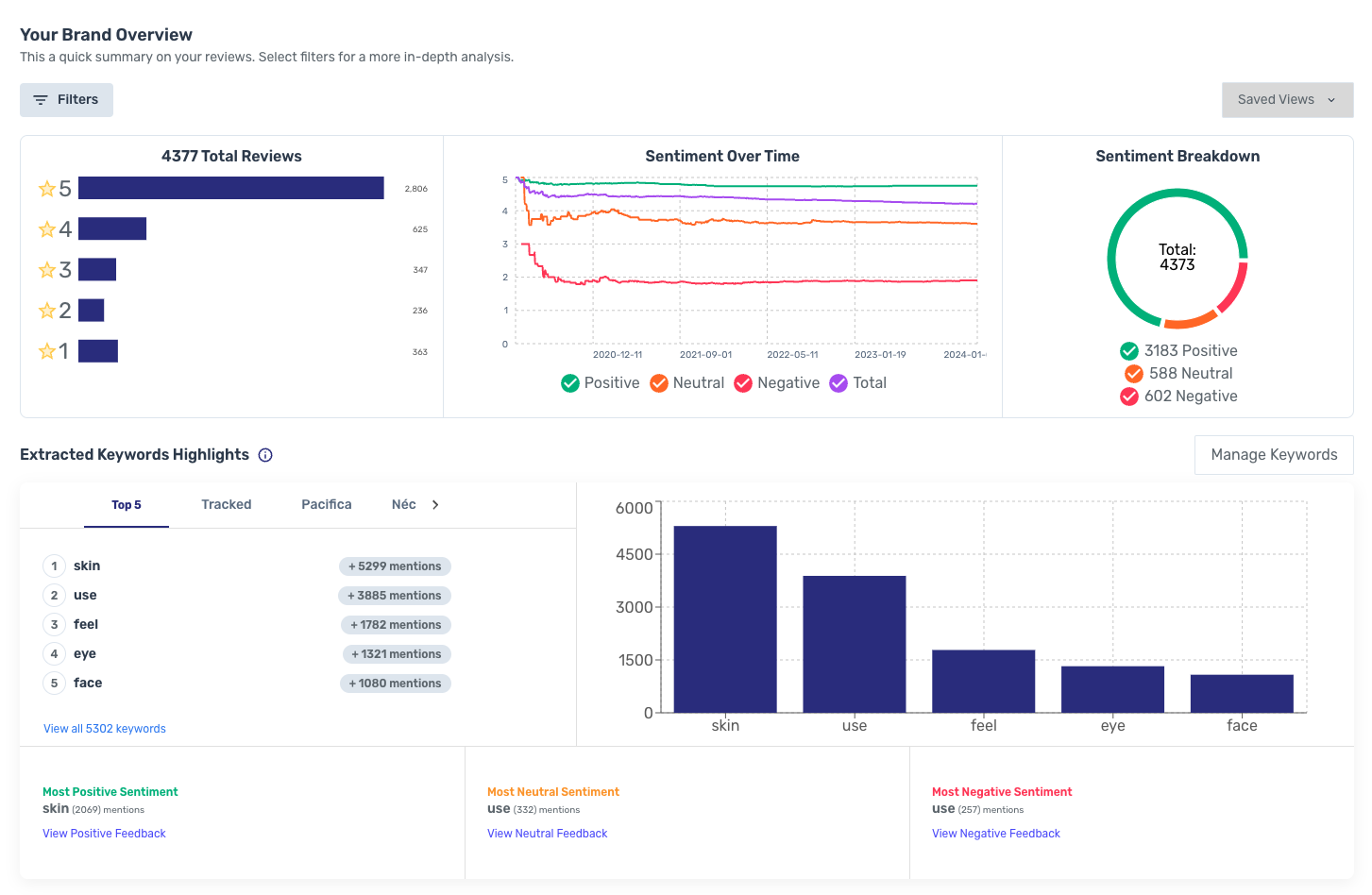
Stepping beyond the traditional boundaries of manual analysis, an AI competitive analysis chart provides a comprehensive, real-time glimpse of the competitive landscape. By aggregating data from diverse sources, these charts give businesses a bird's eye view of their industry. These charts can help identify opportunities to adopt new strategies or reveal areas for improvement to improve performance and maintain a solid competitive stance.
Competitive Analysis Framework
The competitor analysis framework and a competitive analysis template should inform this process, offering a clear outline for structuring and optimizing the investigation. This framework includes identifying competitors, seeing how they frame their goods and services, and gathering customer feedback about their offerings. AI can streamline this task, making the framework more accessible and manageable, even to those who lack a technical background.
AI Competitive Analysis Example
The world is rapidly adjusting to the advancements in Artificial Intelligence (AI), prompting businesses to adapt or fall behind. In this context, an AI competitive analysis example is an instrumental tool for strategic decision-making. Two popular use cases for B2C brands are marketing, market research, and product development.
One practical application of AI competitive analysis is its integration within a business plan. When crafting an AI competitive analysis example business plan, one should scrutinize companies with similar software, products, or services. It requires a comprehensive overview of their pricing models, customer acquisition tactics, market share, and growth potential. It facilitates the evaluation of your own business's strengths, weaknesses, opportunities, and threats (SWOT), aiding you in distinguishing your organization from the rivals.
How to Present Competitive Analysis
Accessibility and ease of understanding play an important role in presenting any information. Hence, the preference for formats like the competitive analysis PDF and competitive analysis PPT. These formats enhance the presentation of complex data through visuals, thereby simplifying the decision-making process. The competitive analysis templates often encompass visuals such as charts, graphs, and data maps, making it easier for stakeholders to comprehend the findings with clarity.
Crafting a competitive analysis report using AI is a systematic, data-led process using multiple tools and techniques. It's crucial to introduce this strategy to your business plan, presenting it in an accessible format, ensuring a meticulous study of primary competitors. While it may seem challenging, using an AI tool such as Native AI that offers a step-by-step walkthrough of monitoring competitors and their products is essential.